
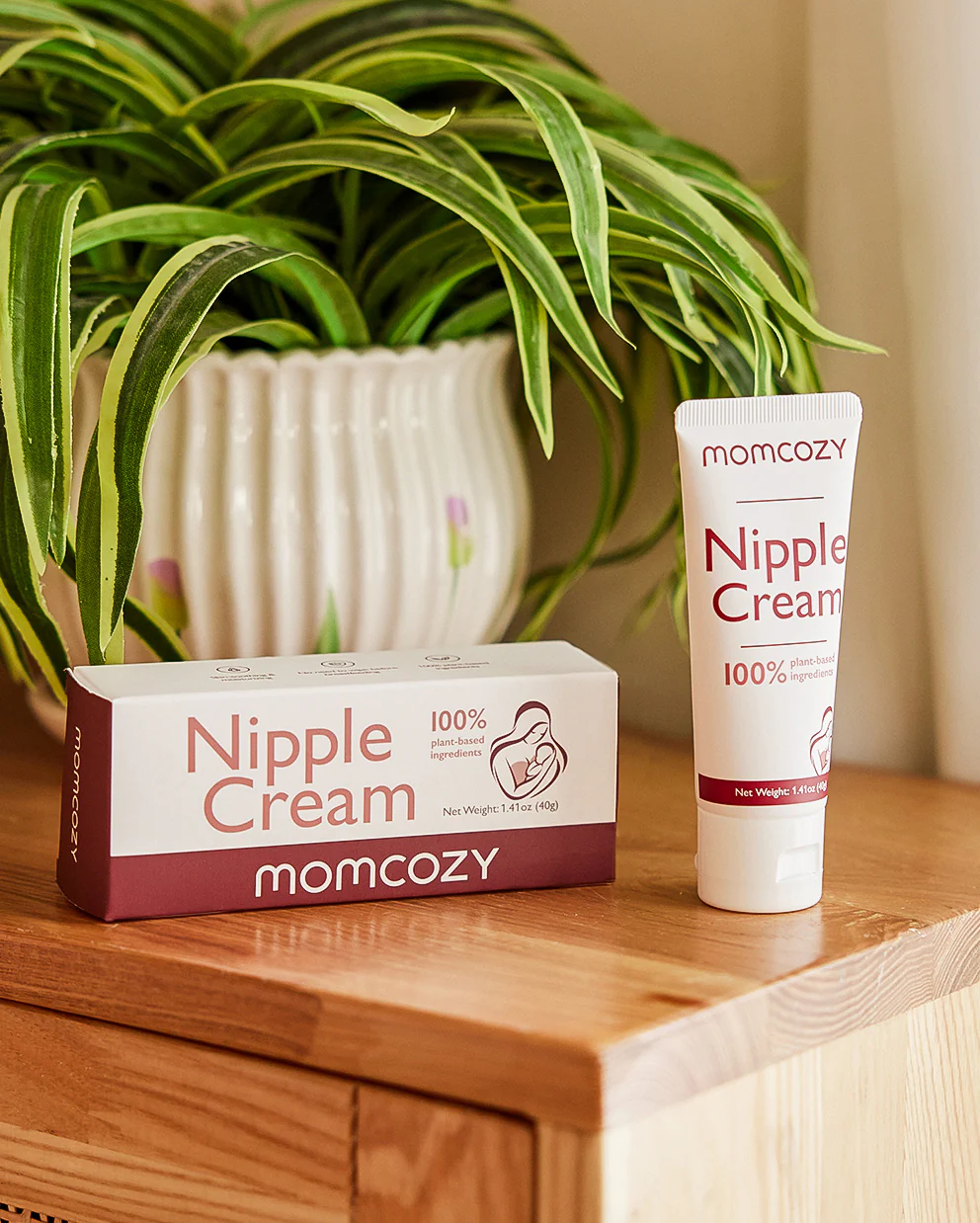
Nursing your baby can be a source of comfort, yet it can also be a challenging bonding experience. While savoring the feeding ritual with your baby, you might notice changes in your breasts, especially the nipples. Among the problems that most moms have to deal with is the milk crust, which is a term used to describe the dry, flaky buildup that can form on or around the nipple after breastfeeding or pumping.
If you know the reasons for its occurrence, the correct techniques for removal, and the precautions to be taken, your breastfeeding journey can be very supportive and relaxing. The present informative article will provide you with a detailed procedure for dealing with the milk crust, which will include its origin, the most suitable practices for aftercare, and how important it is to have nipple cream for breastfeeding as one of the strongest skin health remedies.
Why Is Milk Crusting?
Milk crust is basically a term that denotes the deposition of dried breast milk on the nipple or the area surrounding it. Milk residues could be left after a breastfeeding session or during pumping and afterward they could be dried into a thin whitish or yellowish layer. The main reasons for the development of milk crust are:
Residual Milk After Feeding
The act of breastfeeding your baby may actually allow some minuscule milk deposits to stay around the breast’s tip. The little part of the milk that gets stuck slowly turning into a hard layer like crust that bonds itself to your skin.
Over-Cleaning or Using Strong Soap
The use of soap and water washes away the skin’s natural oils, resulting in dryness and consequently the formation of flaking. So, while some women strive to maintain perfect hygiene by repeatedly washing their breasts, this is actually a counterproductive measure.
Friction from Pumping or Nursing
Improper fitting of the pump or excessive suction may result in an area close to the nipple getting irritated in a microscopic way. When there is skin loss, it can combine with dried milk residue that has been formed.
Environmental Dryness
Air conditioning, cold weather, or low humidity can make the nipple’s skin cracked and hence more milk crust can be easily formed.
How to Remove Milk Crust Off Nipple
Removing milk crust is a delicate matter. The nipple area is sensitive, and harsh scrubbing can result in soreness and even small wounds. Here is the safest method to clean the area:
Step 1: Warm Compress
Collect a clean smooth piece of cloth, soak it in warm water and place it on the nipple for about three to five minutes to soften the crust. Milky residues can again be liquefied and consequently be let loose without the scrubbing action.
Step 2: Cleaning the Skin Lightly
Moist the skin and gently wipe off the crust with a wet mobile or cotton pad. Avoid using soaps, alcohol wipes, and perfumed baby wipes since these could irritate the skin.
In the event of a stubborn crust, a warm water shower is a good option, as the steam and warmth will make it come off easily.
Step 3: Pat Dry (Don’t Rub)
With a clean towel or tissue, pat the area until it is dry. Rubbing can cause irritation on sensitive skin or even remove it.
Step 4: Moisturize
Once the area is clean, apply a small amount of breastfeeding nipple cream to the skin for soothing and preventing it from getting dry. Moisturizing creams are specially formulated to be safe during breastfeeding, hence you are not required to wipe them off before your baby’s next feeding.
Look for creams with:
- Lanolin – deep hydration and protection
- Coconut or olive oil – natural antibacterial properties
- Shea butter – soft and quick healing
Aftercare After Removing Milk Crust
Once the milk crust is gone, your nipples might still need some gentle care so that they can regain their moisture and avoid getting irritated. Below are some tips for aftercare:
Regular Application of Nipple Cream
Your skin will be smooth and well-hydrated if you put nipple cream for breastfeeding on after each feeding or pumping session. This way, moisture is trapped and a layer is formed to keep further accumulation away.
Use Fabrics with Good Airflow
Opt for cotton nursing bras and tops that allow air circulation. Change wet nursing pads frequently to avoid bacteria or yeast proliferation.
Allow Your Skin to Heal
If your nipples are sore or sensitive, try to take short breaks between pumping sessions. You can extract a small amount of milk to relieve the pressure without any rubbing.
How to Prevent Milk Crust on Nipple
The best way to deal with milk crust is to prevent it from happening in the first place. Below are the steps to ensure your breast skin is always healthy and well-fed throughout the entire breastfeeding period:
1. Wipe Gently After Feeding
Use a soft cloth that is damp to wipe off the excess milk after every feeding. This prevents the milk from drying out completely which eventually leads to crust formation.
2. Keep the Area Moisturized
The best protection is moist skin. Apply a little nipple cream for breastfeeding throughout the day so that your skin remains moist and secured.
3. Stay Hydrated
Water and a diet composed of nuts and avocados along with using olive oil for cooking will be the main diet. Hydration ensures that the skin’s ability to stretch is preserved.
4. Ensure Proper Pump Fit
If you pump frequently, then you should get the correct size of the flange. Using the wrong size results in friction and drying, which vice versa encourages the forming of crusts.
When Crusts Are a Warning Sign
Milk crust can sometimes be more than just dried milk at the surface. If the following signs are shown, consulting the doctor or lactation consultant may be needed:
- Pain or discomfort that is persistent and does not go away
- Redness, swelling, or discharge around the nipple
- Fissures or bleeding that are worsening with feeding
- Thick discharge that is yellowish and completely different from milk
- Infant thrush (itchiness, shiny or flaky skin, white spots in the baby’s mouth)
Conclusion
A milk crust on the nipples is not a cause for alarm if it is something you have noticed – it is a normal and manageable phenomenon during breastfeeding. Most of the time, it is just dry milk or mild skin dryness. With gentle cleansing, proper aftercare, and continuous application of a nipple cream for breastfeeding, your skin can heal quickly and stay soft.
Your comfort should not be neglected; it is just as important as the baby’s feeding. By listening to your body’s minor signals and doing proper nipple care, you can enjoy and make your breastfeeding journey comfortable.






Comments are closed.